Automotive WMS · Automotive parts distribution
Designing for warehouse floors, where speed and accuracy both matter.
I led design for a warehouse management system for automotive parts, using on-floor research to put modern, touch-friendly tools on top of an AS400 mainframe without replacing it.
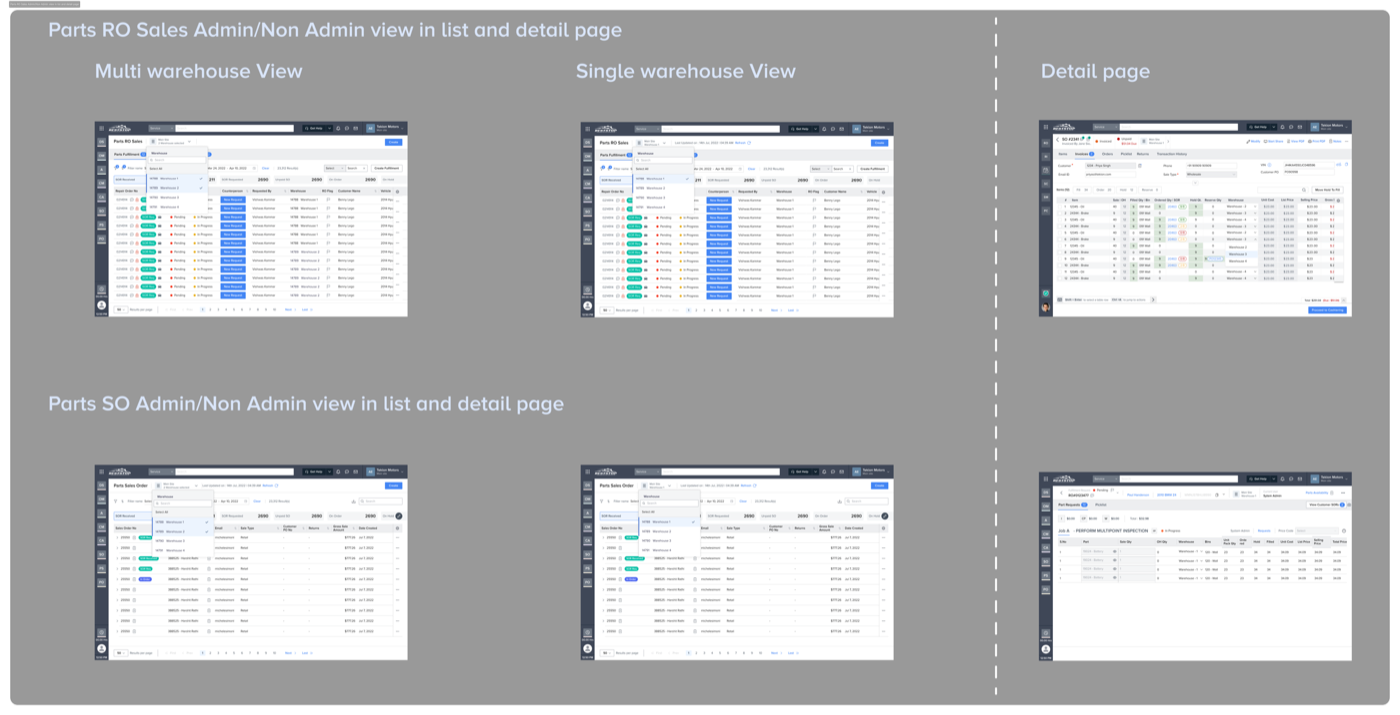
Executive snapshot
- Domain
- Automotive aftermarket logistics
- My role
- Lead UX Designer and Systems Architect
- Hardware
- RFID scanners, rugged tablets
- Backend
- AS400 mainframe, synchronised
- Research
- On-site shadowing in US and EU hubs
- Users
- Receivers, pickers, QA, warehouse managers
01 · The stakes
Blind spots at the dock.
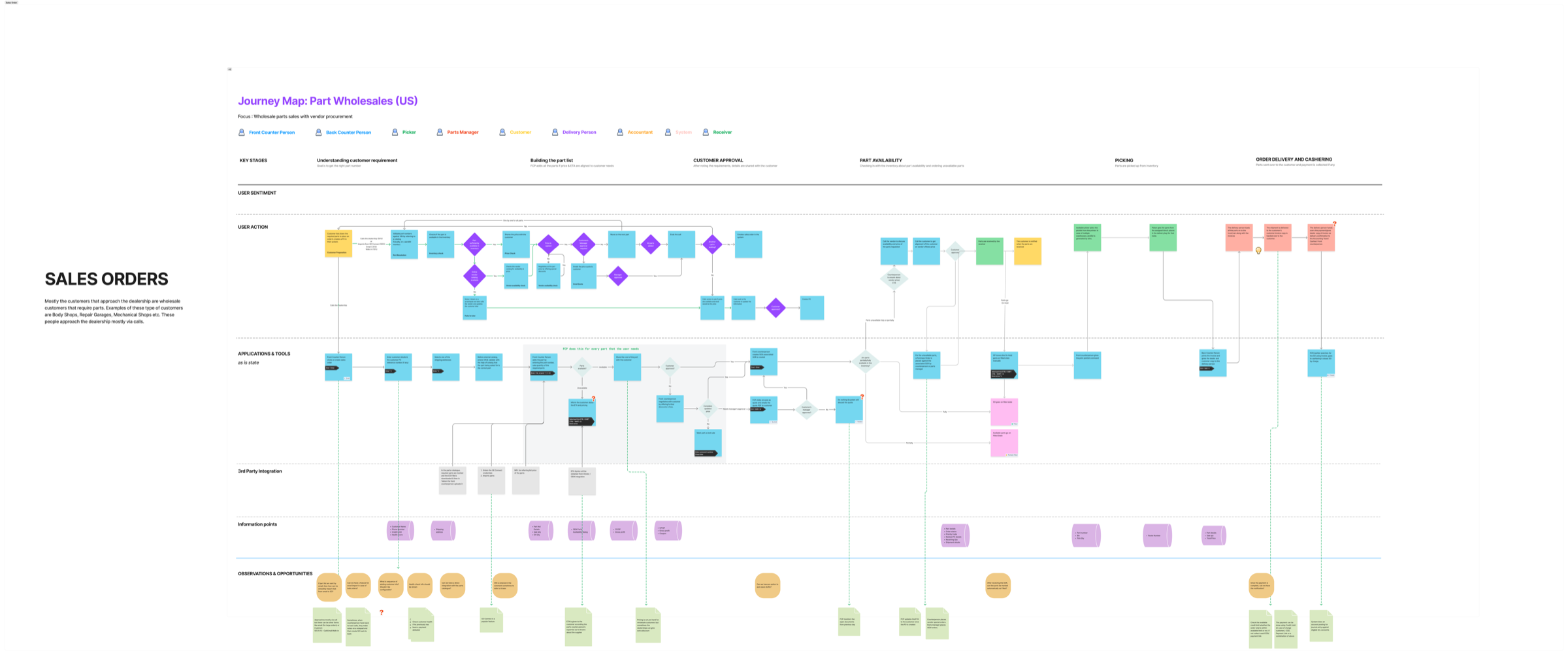
Receivers and dealership managers could not see what was inside incoming containers, so staffing and space planning were guesswork. QA inspections regularly stopped fulfilment lines.
The goal was full parts traceability from container arrival to dispatch, without a costly mainframe migration.
02 · My leadership contribution
Lead experience design and the integration approach with the AS400 backend.
- Team & collaboration model
- Led design and research, working with warehouse managers, operators, QA, parts teams and engineering.
- Key decision
- Prioritise what we saw on the floor over the original feature list.
- Stakeholder challenge
- Aligned operations leadership and engineering on modernising the front end while keeping the mainframe.
- Operating rhythm
- Regular site visits and floor testing with rugged devices before each release.
03 · Research & insight
What we learned before we designed.
Gloves, glare and noise
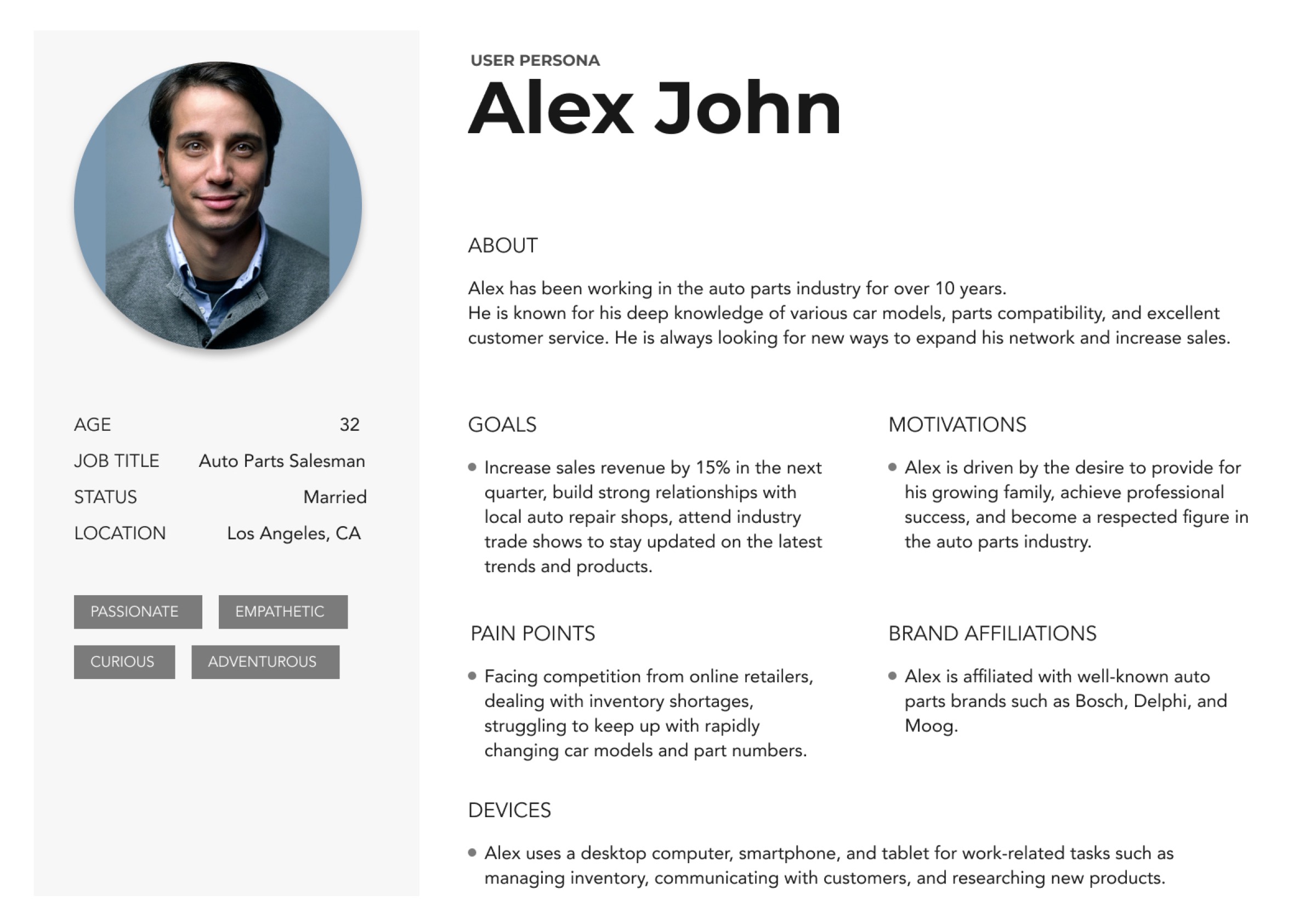
Operators used rugged devices under time pressure. Large targets and clear feedback mattered more than visual polish.
Workarounds revealed priorities
Paper notes and side spreadsheets showed exactly where the system failed people.
04 · Decision stories
The calls that shaped the product.
Each decision follows the same path: signal, insight, options, decision, trade-off, outcome.
Decision 01
Let the floor reset the roadmap
- Signal
Shadowing showed QA holds stopping whole lines.
- Insight
Damaged items could be routed aside without stopping healthy pallets.
- Options
Keep line-level QA; or route defects in-line.
- Decision
In-line QA alerts that divert damaged parts to returns while healthy stock flows on.
- Trade-off
More states for operators to understand, so feedback had to be very clear.
- Outcome
Fewer line stoppages during receiving (reported).
05 · System view
A modern layer on a legacy core
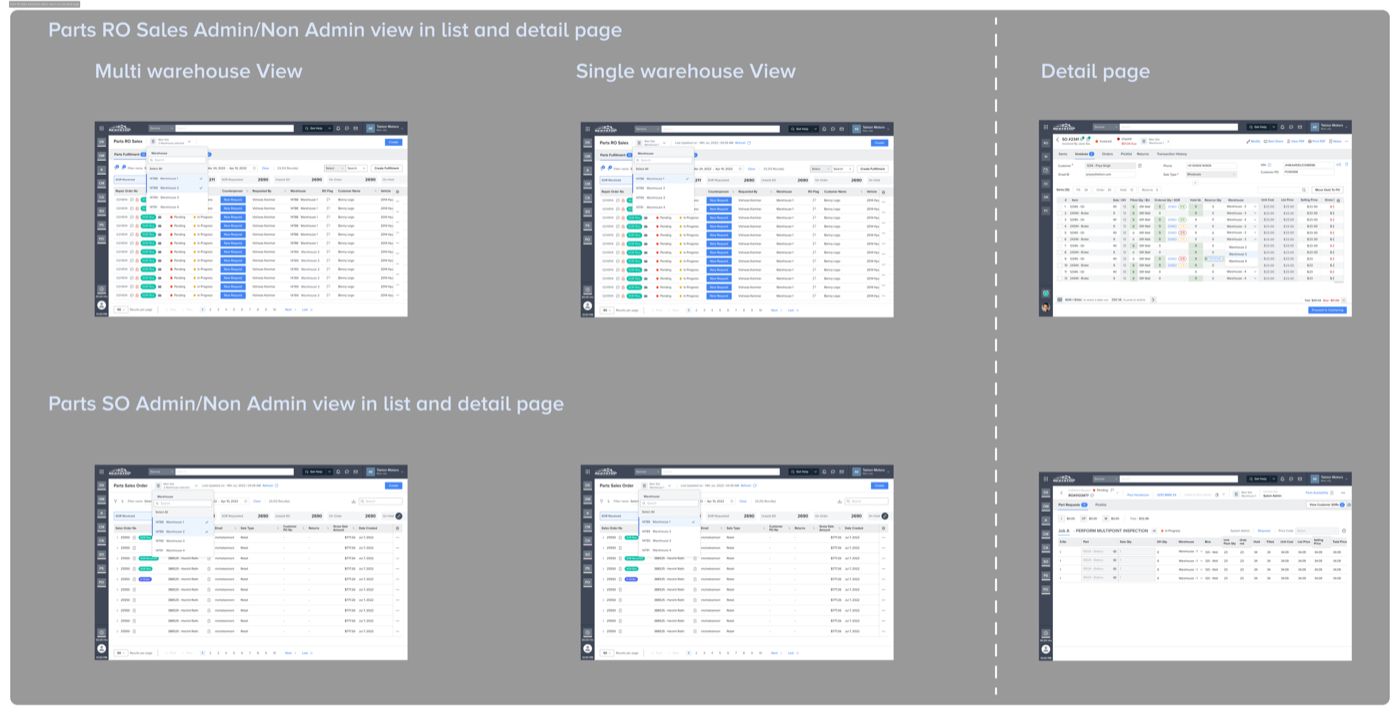
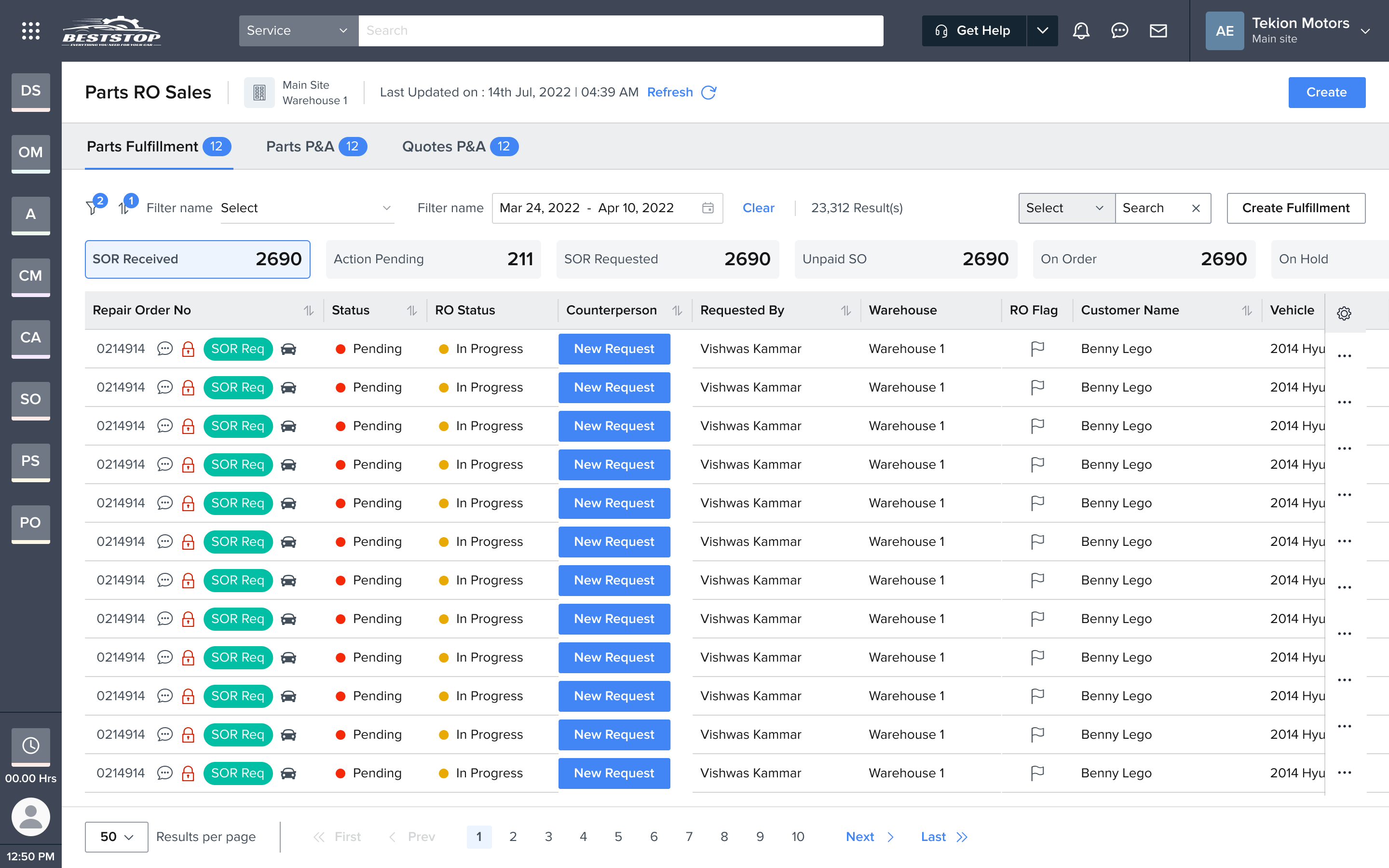
The new interface synchronised with AS400 green-screen data rather than replacing it.
Advance container visibility
Dock receivers see contents before arrival.
RFID and scanner feedback
Instant alerts for misplaced stock.
FIFO dispatch
Automatic first-in first-out rules and documentation.
AS400 bridge
Two-way sync with the existing mainframe.
Operator and admin views
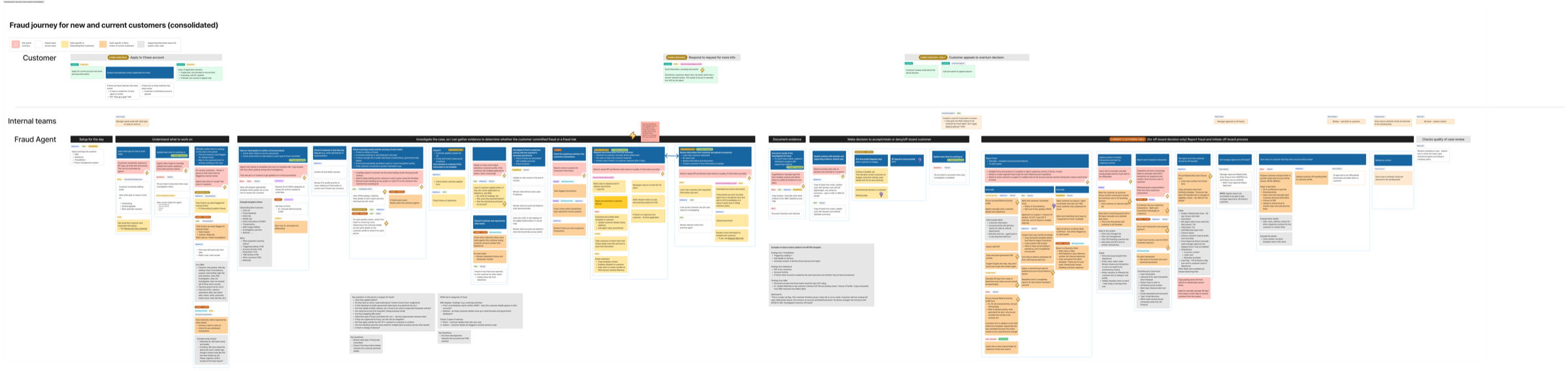
Touch-friendly floor tools and a management console for planning.
- Receiving with container visibility
- Picking routes
- Cycle counts without closing zones

06 · Impact
What changed, and how we know.
Every figure is labelled with what it measures. Reported figures are being matched to their original baselines and periods.
07 · Reflection
What I'd do differently at the next scale.
I would agree the measurement sites and shifts with operations before rollout, so outcomes can be compared fairly.