Global Energy Commerce OS · ExxonMobil · Deloitte Digital
One commerce platform for 100+ markets, without flattening what makes each market different.
I set the experience direction for ExxonMobil's wholesaler self-service platform: a rules-driven order system that standardised the global core and let regional tax, language and approval rules vary by configuration rather than by custom build.

Executive snapshot
- Client
- ExxonMobil, delivered with Deloitte Digital
- My role
- Lead UX Architect and cross-matrix design lead
- Team
- 15+ designers and researchers across regions (matrix)
- Scope
- Wholesaler and distributor self-service ordering
- Markets
- 100+ countries · 25 languages including right-to-left
- Partners
- Product, regional business owners, tax, engineering
01 · The stakes
Regional fragmentation was a commercial risk, not just a UI problem.
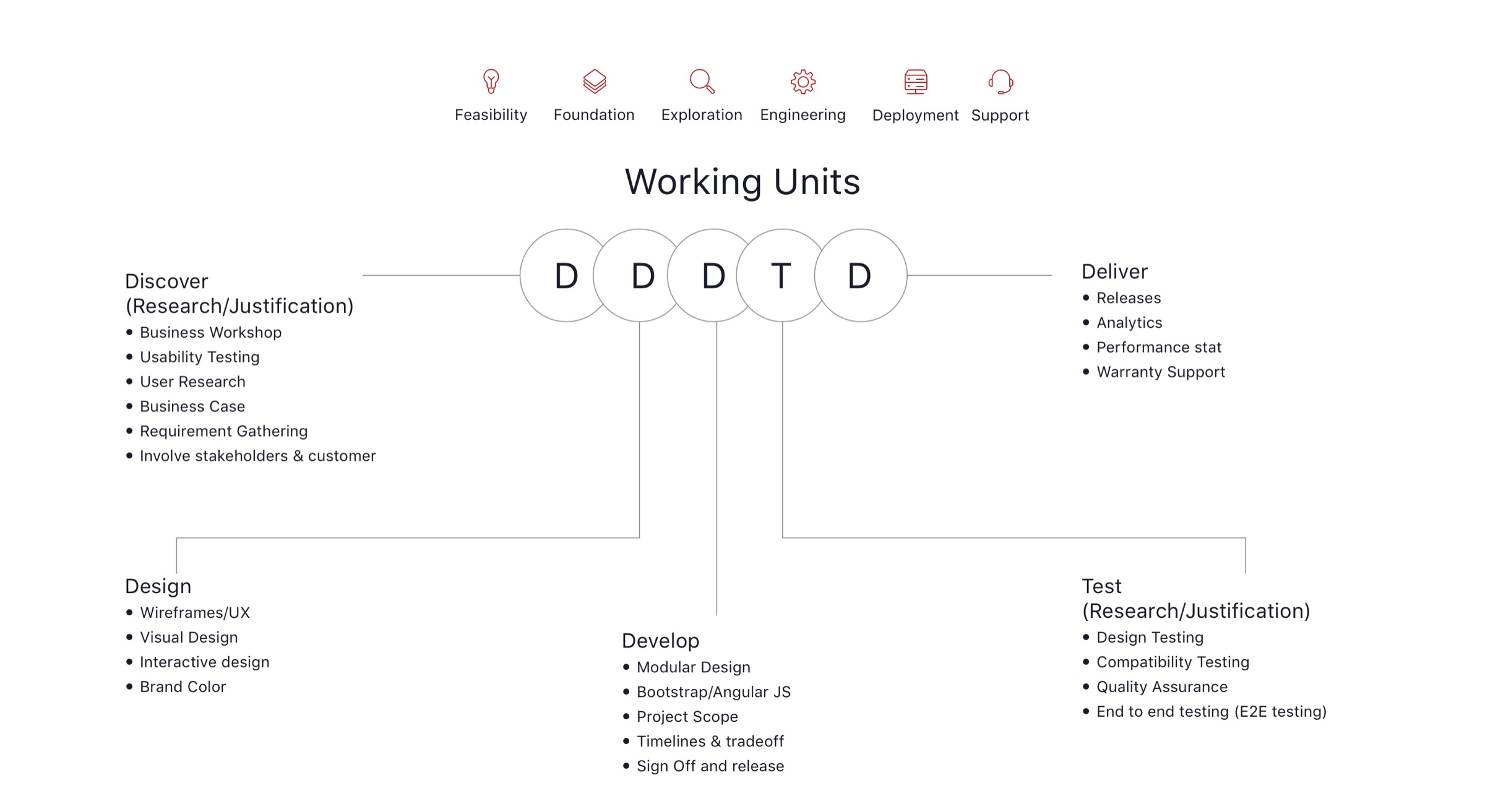
Branded wholesalers and distributors ordered through regional processes held together by email, spreadsheets and back-office staff re-keying orders. Every new market meant another custom variant, and every custom variant slowed the next launch.
The mandate was to re-engineer how global commerce operated: standardise the order journey, encode regional tax and approval rules, support 25 languages including right-to-left scripts, and give wholesalers genuine self-service.
02 · My leadership contribution
Own the end-to-end experience architecture for the global ordering platform and the design standards regional teams would build against.
- Team & collaboration model
- Led a matrix of 15+ designers and researchers across delivery regions; set critique rituals, shared patterns and review gates for regional work.
- Key decision
- Separate a non-negotiable global core from a small, governed set of regional variables, instead of letting each market fork the product.
- Stakeholder challenge
- Aligned regional business owners who wanted local control with a central product team that needed one maintainable platform.
- Operating rhythm
- Weekly cross-region design reviews, a pattern council for exceptions, and joint sign-off with engineering before patterns entered the library.
03 · Research & insight
What we learned before we designed.
Regional variation was mostly rules, not interface
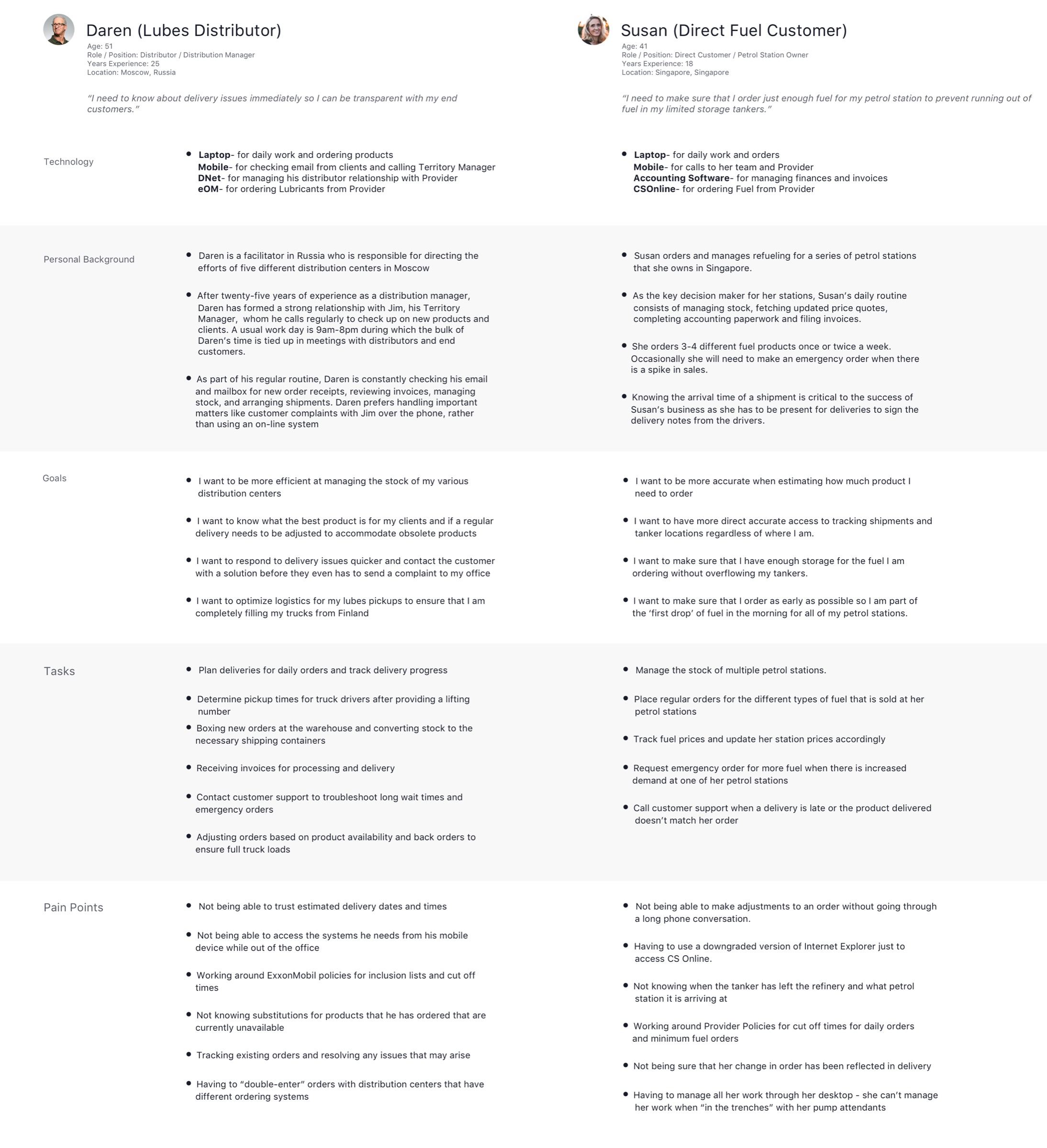
Interviews and process mapping showed most market differences sat in tax, pricing, approval thresholds and documents. The screens themselves could be shared.
Back-office staff were the hidden users
Order desks quietly corrected incomplete orders every day. Designing validation in the moment of ordering removed most of that re-work.
Language was a layout problem
Right-to-left scripts and long German or Russian strings broke fixed layouts, so localisation had to be designed into components from day one.
04 · Decision stories
The calls that shaped the product.
Each decision follows the same path: signal, insight, options, decision, trade-off, outcome.
Decision 01
Global consistency, local flexibility
- Signal
Every market asked for its own version of the order flow.
- Insight
Most requests were about rules and content, not structure.
- Options
Fork per region; fully rigid global product; or a global core with governed variables.
- Decision
A global core journey, with tax, pricing, approvals, documents and language as configurable rules.
- Trade-off
Some markets gave up bespoke screens they were used to, in exchange for faster launches and shared improvements.
- Outcome
New markets launched by configuration rather than custom builds.
Decision 02
Encode approvals as a visible rules engine
- Signal
Orders stalled in multi-stage approvals that users could not see.
- Insight
Users needed to know who approves next, and why, before submitting.
- Options
Keep approvals off-platform; add a status page; or surface rule outcomes inline.
- Decision
Show the triggered rules and next approver inline, and collapse redundant stages.
- Trade-off
More logic surfaced in the UI meant tighter coupling with the rules service.
- Outcome
Approval stages reduced from 8 to 3 in the redesigned flow.


05 · System view
What was standardised and what could vary
The governance model made the boundary explicit, so regional teams knew exactly where they had freedom.
Standardised globally
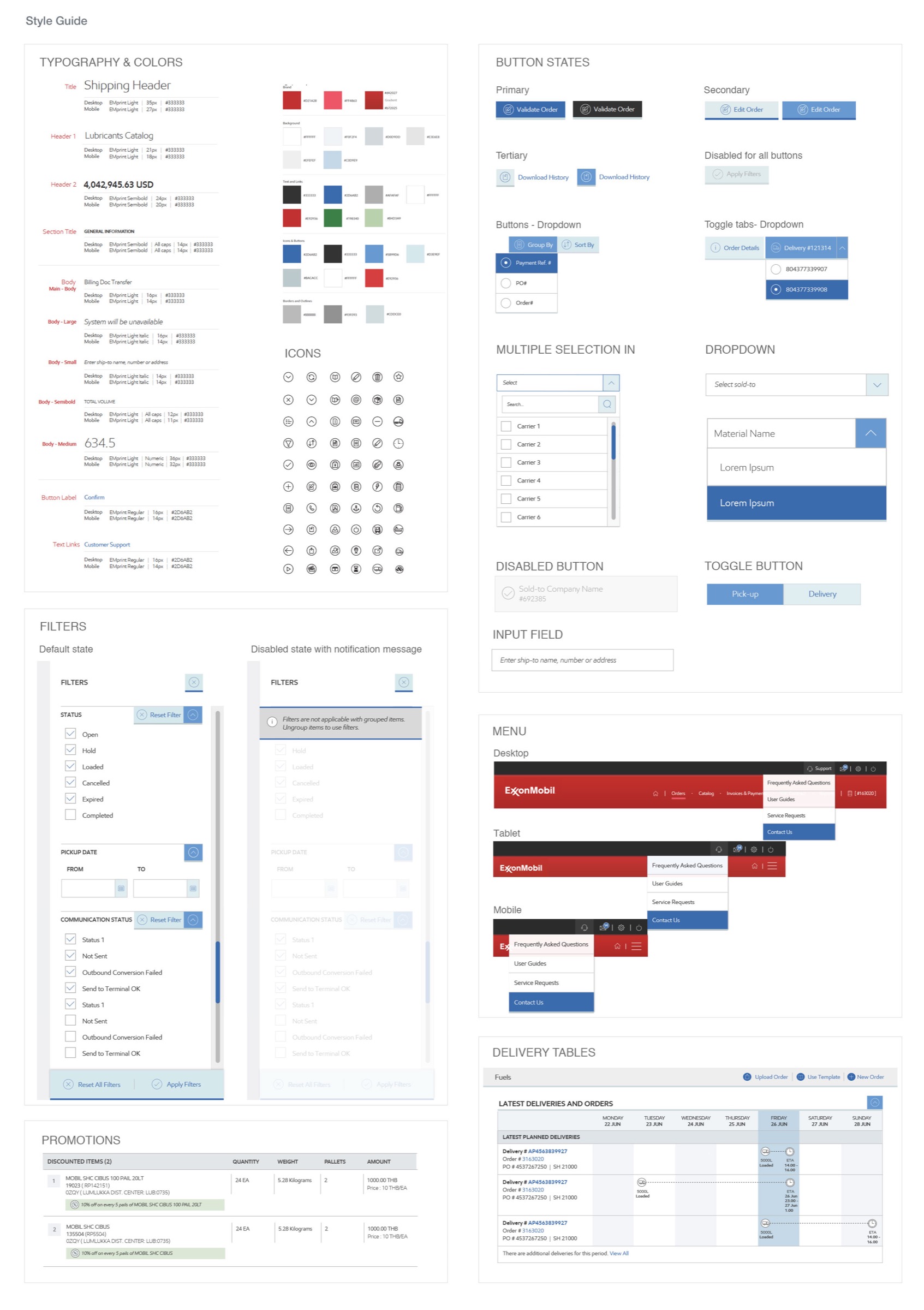
Navigation, order journey, component library, accessibility rules, data-entry patterns and status language.
Configurable per market
Tax jurisdictions, pricing tiers, approval thresholds, legal documents, units, currency and language.
Reviewed by exception
New regional components went through the pattern council before entering the shared library.
Built for 25 languages
Components handled right-to-left mirroring, text expansion and locale-specific formats by default.
The shipped platform
Wholesalers place, track and approve orders in one place; administrators configure market rules without new builds.
- Order dashboard with live approval state
- Rules configuration for regional administrators
- Localised flows including right-to-left layouts

06 · Impact
What changed, and how we know.
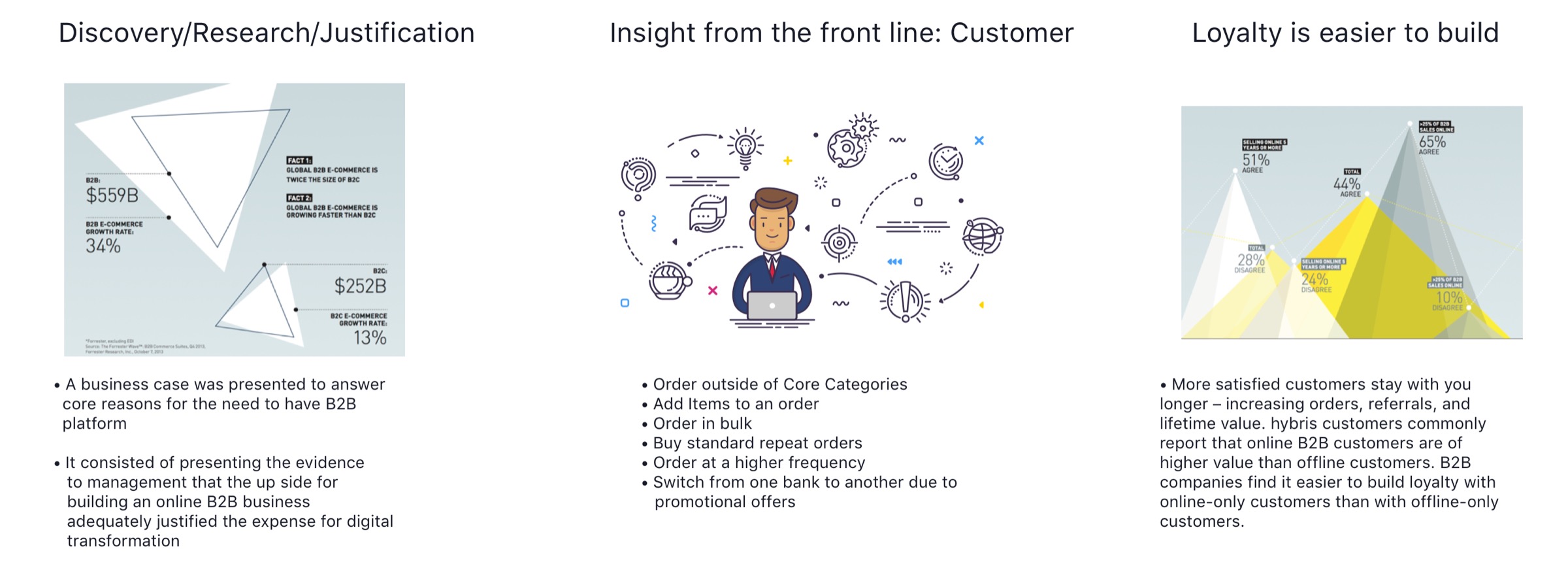
Every figure is labelled with what it measures. Reported figures are being matched to their original baselines and periods.
07 · Reflection
What I'd do differently at the next scale.
I would set up the evidence register earlier, agreeing metric definitions with regional finance at the start rather than reconstructing them after launch.
At the next scale I would give the pattern council a published service level, so regional teams could plan around review time.